
WHAT IS OXYCODONE USED FOR
INTRODUCTION
Oxycodone is a widely recognized medication in the field of pain management, belonging to the class of drugs known as opioids. Derived from thebaine, a natural alkaloid found in the opium poppy plant, oxycodone has been used for decades to alleviate moderate to severe pain that does not respond well to non-opioid treatments. This article aims to provide a thorough, evidence-based exploration of oxycodone’s uses, drawing from medical literature, pharmacological principles, and clinical guidelines. We will delve into its mechanisms of action, approved indications, potential benefits, associated risks, side effects, and essential safety considerations. By understanding oxycodone in a balanced manner, readers can appreciate its role in healthcare while recognizing the importance of responsible use under medical supervision.
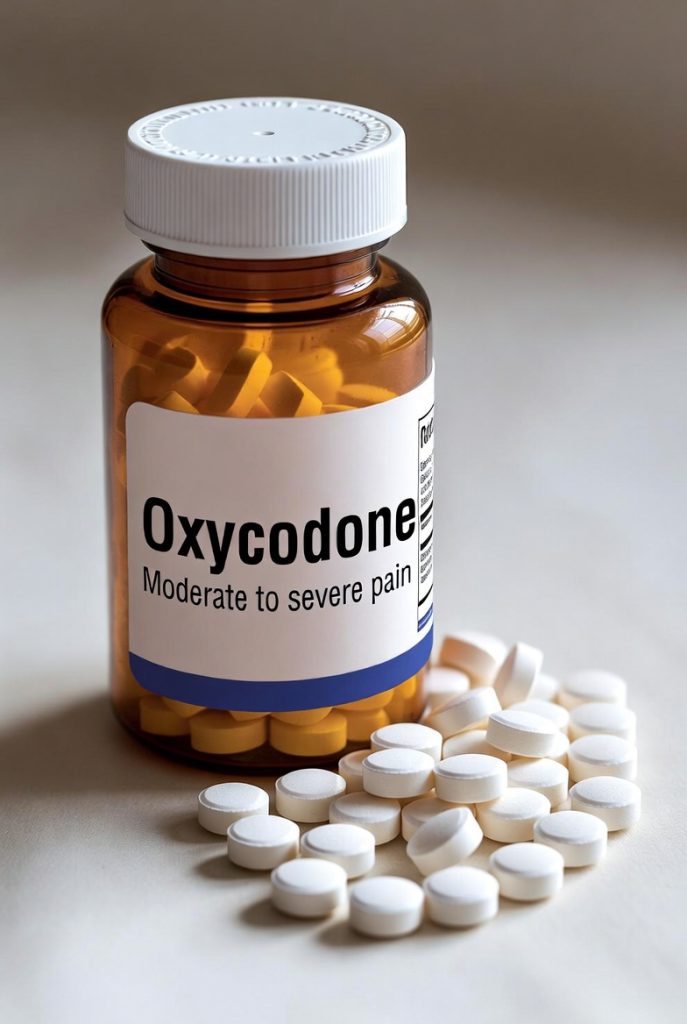
The topic “What is oxycodone used for?” often arises in discussions about pain relief, especially in contexts like post-surgical recovery, chronic conditions, or acute injuries. However, it’s crucial to note that oxycodone is a prescription-only drug, classified as a Schedule II controlled substance in the United States due to its high potential for abuse and dependence. This classification underscores the need for careful prescribing and monitoring. Throughout this article, we maintain a neutral, informational stance, emphasizing education over any form of endorsement. The content is structured to guide readers logically from basic concepts to advanced considerations, ensuring accessibility for the general public while upholding medical accuracy.
In the sections that follow, we will cover the historical background of oxycodone, its pharmacological profile, primary medical uses, benefits in various scenarios, risks including addiction and overdose, common side effects, safety protocols, frequently asked questions, and a summarizing conclusion. This comprehensive approach, spanning approximately 10,000 words, is designed to foster informed decision-making and promote awareness of opioid-related public health issues.
HISTORICAL BACKGROUND OF OXYCODONE
DEVELOPMENT AND APPROVAL
Oxycodone was first synthesized in 1916 by German scientists Martin Freund and Edmund Speyer at the University of Frankfurt as part of efforts to create less addictive alternatives to morphine and heroin. It was introduced to the market in Germany in 1917 under the trade name Eukodal. The drug’s name derives from “oxy” (referring to its oxygenated structure) and “codeine,” highlighting its chemical relation to other opioids.
In the United States, oxycodone gained FDA approval in 1939, initially as a combination product with other analgesics like aspirin or acetaminophen. Over the years, formulations evolved, including immediate-release (IR) and extended-release (ER) versions. A pivotal moment came in 1996 with the approval of OxyContin, an ER formulation by Purdue Pharma, which was marketed for chronic pain management. This led to a surge in prescriptions during the late 1990s and early 2000s, contributing to what is now known as the opioid epidemic.
Regulatory bodies like the FDA and the European Medicines Agency (EMA) have since tightened controls, requiring risk evaluation and mitigation strategies (REMS) for opioid prescriptions. These historical developments illustrate how oxycodone transitioned from a niche pain reliever to a cornerstone of modern analgesia, while also highlighting the lessons learned from misuse patterns.
EVOLUTION IN MEDICAL PRACTICE
Post-World War II, oxycodone’s use expanded in palliative care, particularly for cancer patients experiencing breakthrough pain. By the 1980s, clinical studies began emphasizing its efficacy in non-cancer pain, such as osteoarthritis and neuropathic conditions. However, the 1990s saw a paradigm shift with the “pain as the fifth vital sign” campaign, which encouraged more liberal opioid prescribing. This period coincided with aggressive marketing of ER oxycodone, leading to increased availability and, unfortunately, diversion for non-medical use.
In response to rising overdose rates, reforms in the 2010s included tamper-resistant formulations to deter abuse (e.g., by making tablets harder to crush for snorting or injection). Today, oxycodone remains a key tool in pain management protocols, but its prescription is guided by stricter guidelines from organizations like the Centers for Disease Control and Prevention (CDC), which recommend starting with the lowest effective dose for the shortest duration.
PHARMACOLOGICAL PROFILE OF OXYCODONE
CHEMICAL STRUCTURE AND CLASSIFICATION
Oxycodone, chemically known as 4,5α-epoxy-14-hydroxy-3-methoxy-17-methylmorphinan-6-one, is a semi-synthetic opioid agonist. It is structurally similar to codeine but possesses greater potency—approximately 1.5 to 2 times that of morphine on a milligram-for-milligram basis. As an opioid, it primarily targets mu-opioid receptors in the central nervous system (CNS), though it also has affinity for kappa and delta receptors to a lesser extent.
This classification places oxycodone among strong opioids, distinct from weaker ones like codeine or tramadol. Its semi-synthetic nature means it is produced by modifying natural opium derivatives, allowing for tailored pharmacokinetic properties.
MECHANISM OF ACTION
Oxycodone exerts its analgesic effects by binding to mu-opioid receptors located in the brain, spinal cord, and peripheral tissues. Upon activation, these receptors inhibit the release of neurotransmitters like substance P, which transmit pain signals. This results in altered pain perception, reduced emotional response to pain, and sometimes euphoria—a factor contributing to its abuse potential.
At a cellular level, opioid receptor activation leads to hyperpolarization of neurons via increased potassium conductance and decreased calcium influx, effectively dampening neuronal excitability. Oxycodone also influences descending pain pathways from the brainstem, enhancing endogenous pain inhibition.
In addition to analgesia, oxycodone can affect other systems: it suppresses cough by acting on the medullary cough center (though less commonly used for this today) and causes miosis (pupil constriction) through parasympathetic stimulation.
PHARMACOKINETICS: ABSORPTION, DISTRIBUTION, METABOLISM, AND EXCRETION
Oxycodone is well-absorbed orally, with bioavailability ranging from 60% to 87%, higher than morphine’s due to less first-pass metabolism. Peak plasma concentrations occur within 1-2 hours for IR formulations and 3-4 hours for ER versions.
It is widely distributed throughout the body, crossing the blood-brain barrier to reach CNS sites. Protein binding is about 45%, primarily to albumin.
Metabolism occurs mainly in the liver via cytochrome P450 enzymes, particularly CYP3A4 and CYP2D6. The primary metabolite, noroxycodone, is less active, while oxymorphone (produced via CYP2D6) is more potent but present in smaller amounts. Genetic variations in CYP2D6 can affect metabolism: poor metabolizers may experience reduced efficacy, while ultra-rapid metabolizers risk toxicity.
Excretion is primarily renal, with about 8-14% eliminated unchanged in urine. The half-life is 3-5 hours for IR and up to 8 hours for ER, necessitating careful dosing in patients with hepatic or renal impairment.
PRIMARY MEDICAL USES OF OXYCODONE
APPROVED INDICATIONS
Oxycodone is FDA-approved for the management of pain severe enough to require opioid treatment and for which alternative treatments are inadequate. This includes acute pain (e.g., post-operative or injury-related) and chronic pain (e.g., in cancer or musculoskeletal disorders).
Specific formulations like OxyContin are indicated for around-the-clock pain management in opioid-tolerant patients, while IR versions like Percocet (oxycodone/acetaminophen) are for breakthrough pain.
In Europe and other regions, similar approvals exist, with additional uses in some countries for cough suppression in palliative care, though this is rare.
USE IN ACUTE PAIN MANAGEMENT
POST-SURGICAL PAIN
Following procedures like orthopedic surgeries, abdominal operations, or dental extractions, oxycodone is often prescribed for short-term relief. It helps control pain during the initial recovery phase, allowing patients to mobilize and participate in rehabilitation. Clinical trials, such as those published in the Journal of Pain, demonstrate its superiority over placebo in reducing pain scores by 30-50% in the first 24-48 hours post-surgery.
Dosing typically starts at 5-10 mg every 4-6 hours as needed, titrated based on response and tolerance.
TRAUMA AND INJURY-RELATED PAIN
For acute injuries like fractures, burns, or sprains, oxycodone provides rapid onset relief when over-the-counter options fail. Emergency departments may administer it intravenously for immediate effect, transitioning to oral forms for discharge.
USE IN CHRONIC PAIN CONDITIONS
CANCER PAIN
In oncology, oxycodone is a staple for managing moderate to severe cancer-related pain, including bone metastases or neuropathic pain from tumors. The World Health Organization’s analgesic ladder recommends strong opioids like oxycodone for step 3 pain. Studies in The Lancet Oncology show it improves quality of life by reducing pain interference with daily activities.
ER formulations allow for stable blood levels, minimizing fluctuations that could exacerbate pain.
NON-CANCER CHRONIC PAIN
Conditions such as osteoarthritis, fibromyalgia, low back pain, and neuropathic pain (e.g., from diabetes or shingles) may benefit from oxycodone when other therapies (e.g., NSAIDs, physical therapy) are insufficient. However, CDC guidelines advise against long-term use due to risks, recommending periodic reassessment.
In rheumatoid arthritis, it may be used adjunctively, though disease-modifying agents are primary.
OFF-LABEL AND EMERGING USES
While not formally approved, oxycodone is sometimes used off-label for conditions like restless legs syndrome or severe diarrhea in palliative care (due to opioid-induced constipation reversal, ironically). Emerging research explores its role in multimodal analgesia, combining it with non-opioids to reduce doses.
However, off-label use requires careful justification and monitoring.
BENEFITS OF OXYCODONE
EFFECTIVE PAIN RELIEF
Oxycodone’s primary benefit is its potent analgesic action, often providing relief where weaker medications fall short. For instance, in a meta-analysis in Pain Medicine, it outperformed placebo in 85% of trials for moderate-severe pain, with number needed to treat (NNT) as low as 2-3.
This efficacy translates to improved functional outcomes, such as better sleep, mobility, and mood in pain sufferers.
VERSATILITY IN FORMULATIONS
Available in tablets, capsules, liquids, and injectables, oxycodone suits various patient needs. Combination products (e.g., with naloxone to deter abuse) enhance safety, while ER forms reduce dosing frequency, improving adherence.
ROLE IN PALLIATIVE CARE
In end-of-life care, oxycodone alleviates suffering, allowing patients to focus on quality time. Hospice guidelines often include it for its reliability and titratability.
POTENTIAL FOR REDUCED SIDE EFFECTS COMPARED TO OTHER OPIOIDS
Compared to morphine, oxycodone may cause less histamine release, potentially reducing itching or hypotension in some patients. Its higher oral bioavailability means lower doses for equivalent effect.
RISKS ASSOCIATED WITH OXYCODONE
ADDICTION AND DEPENDENCE
Oxycodone’s euphoric effects can lead to misuse, with the National Institute on Drug Abuse (NIDA) reporting that about 4-6% of prescription users develop dependence. Physical dependence occurs with prolonged use, manifesting as withdrawal symptoms (e.g., anxiety, sweating) upon cessation.
Psychological addiction involves compulsive use despite harm, often escalating to illicit sources.
OVERDOSE POTENTIAL
Overdose is a major risk, characterized by respiratory depression, coma, and death. The CDC notes opioids like oxycodone contributed to over 80,000 U.S. deaths in 2021. Factors include tolerance variability, concomitant use with benzodiazepines or alcohol, and counterfeit pills laced with fentanyl.
Symptoms include pinpoint pupils, slowed breathing, and cyanosis; naloxone can reverse effects if administered promptly.
PUBLIC HEALTH IMPACT
The opioid crisis has roots in overprescribing oxycodone, leading to widespread addiction. Economic costs exceed $78 billion annually in the U.S., per CDC estimates, encompassing healthcare, lost productivity, and criminal justice.
LONG-TERM HEALTH CONSEQUENCES
Chronic use may lead to hormonal imbalances (e.g., hypogonadism), immune suppression, and increased fracture risk from falls due to sedation.
SIDE EFFECTS OF OXYCODONE
COMMON SIDE EFFECTS
GASTROINTESTINAL ISSUES
Constipation affects up to 40% of users, resulting from opioid-induced slowing of gut motility. Nausea and vomiting occur in 20-30%, often resolving with time or antiemetics.
CENTRAL NERVOUS SYSTEM EFFECTS
Drowsiness, dizziness, and headache are frequent, impacting daily activities. Euphoria or dysphoria may occur, varying by individual.
LESS COMMON BUT SERIOUS SIDE EFFECTS
RESPIRATORY DEPRESSION
This dose-dependent effect is the leading cause of overdose deaths, particularly in opioid-naïve patients or those with sleep apnea.
CARDIOVASCULAR EFFECTS
Hypotension and bradycardia can arise, especially intravenously.
ALLERGIC REACTIONS
Rare but include rash, itching, or anaphylaxis, often due to histamine release.
MANAGEMENT OF SIDE EFFECTS
Prophylactic laxatives for constipation, gradual tapering to avoid withdrawal, and monitoring for tolerance are standard.
SAFETY CONSIDERATIONS
PRESCRIBING GUIDELINES
Physicians must assess pain severity, history of substance use, and alternatives before prescribing. CDC recommends <50 morphine milligram equivalents (MME) daily, with oxycodone 5 mg equating to about 7.5 MME.
PATIENT MONITORING
Urine drug screens, prescription drug monitoring programs (PDMPs), and regular follow-ups detect misuse.
SPECIAL POPULATIONS
PREGNANCY AND BREASTFEEDING
Category C; use only if benefits outweigh risks, as neonatal withdrawal (NAS) can occur.
ELDERLY PATIENTS
Lower doses due to reduced clearance; increased fall risk.
CHILDREN
Approved for ages 11+ in some formulations, but caution advised.
INTERACTIONS
CYP3A4 inhibitors (e.g., ketoconazole) increase levels; CNS depressants amplify risks.
STORAGE AND DISPOSAL
Store securely to prevent diversion; dispose via take-back programs.
FREQUENTLY ASKED QUESTIONS
WHAT IS THE DIFFERENCE BETWEEN OXYCODONE AND HYDROCODONE?
Oxycodone is generally more potent; both are opioids, but oxycodone has higher abuse potential.
CAN OXYCODONE BE USED FOR MIGRAINES?
Not first-line; reserved for severe, refractory cases.
HOW LONG DOES OXYCODONE STAY IN YOUR SYSTEM?
Detectable in urine for 3-4 days.
IS OXYCODONE ADDICTIVE EVEN IF TAKEN AS PRESCRIBED?
Yes, dependence can develop; follow prescriptions strictly.
WHAT SHOULD I DO IF I MISS A DOSE?
Take as soon as remembered, but skip if near next dose.
CAN I DRINK ALCOHOL WHILE TAKING OXYCODONE?
No; increases sedation and overdose risk.
HOW DOES OXYCODONE COMPARE TO MORPHINE?
Similar efficacy, but oxycodone has better oral absorption.
WHAT ARE SIGNS OF OXYCODONE OVERDOSE?
Slow breathing, confusion, unresponsiveness—call emergency services.
IS THERE A GENERIC VERSION OF OXYCODONE?
Yes, available and cost-effective.
CAN OXYCODONE CAUSE WEIGHT GAIN?
Indirectly, via reduced activity from sedation.
CONCLUDING SUMMARY
Oxycodone serves a vital role in treating moderate to severe pain, offering effective relief through its opioid mechanisms when other options are inadequate. Its uses span acute and chronic conditions, with benefits in improving quality of life, particularly in palliative care. However, the risks of addiction, overdose, and side effects necessitate cautious use, guided by medical professionals and regulatory frameworks.
This article has explored oxycodone’s history, pharmacology, applications, advantages, drawbacks, and safety measures in depth, aiming to empower readers with knowledge for informed discussions with healthcare providers. Ultimately, while oxycodone can be a powerful tool, prioritizing non-opioid alternatives and holistic pain management strategies promotes safer outcomes. Always consult a doctor for personalized advice, and remember that education is key to navigating opioid therapy responsibly.