
What Is Oxycodone? Uses, Forms, and How It Works as a Pain Reliever
Introduction
What is oxycodone, and why is it one of the most prescribed yet controversial pain medications today? Millions of people rely on it for relief after surgery or injury. However, it also plays a major role in the global opioid crisis.
Oxycodone is a powerful opioid pain reliever used to treat moderate to severe pain. Doctors prescribe it when other treatments fail to provide enough relief. While it can be highly effective, it also carries serious risks, including dependence, addiction, and overdose.
In this guide, you will learn what oxycodone is, how it works in the body, and the different forms available. We will also explore dosage guidelines, side effects, risks, and safer alternatives. By the end, you will have a clear understanding of how to use oxycodone responsibly and when to seek help.
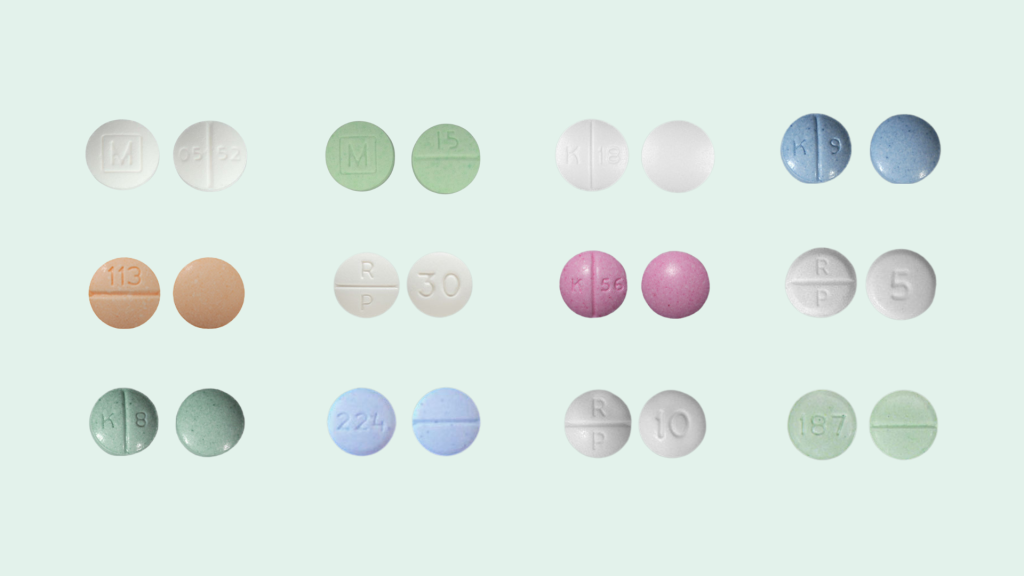
What Is Oxycodone and How Does It Work?
Oxycodone is a semi-synthetic opioid derived from thebaine, a compound found in the opium poppy. It belongs to the same class of drugs as morphine and codeine.
It works by binding to opioid receptors in the brain and spinal cord. These receptors control how your body perceives pain. When oxycodone attaches to them, it reduces pain signals and increases feelings of relief or calm.
Here is how it works in simple terms:
- It blocks pain signals from reaching the brain.
- It changes how the brain interprets pain.
- It may produce a sense of euphoria, which increases misuse risk.
Oxycodone also slows down the central nervous system. As a result, it can cause drowsiness, slowed breathing, and relaxation.
External reference: FDA drug information – https://www.fda.gov
External reference: MedlinePlus oxycodone overview – https://medlineplus.gov
Common Uses of Oxycodone in Pain Management
Doctors prescribe oxycodone for conditions that cause moderate to severe pain.
Common uses include:
- Post-surgical pain recovery.
- Severe injury or trauma.
- Cancer-related pain.
- Chronic pain when other treatments fail.
Short-term use is typical after surgery or injury. Long-term use may occur in chronic conditions, but it requires careful monitoring.
For example, a patient recovering from major surgery may take oxycodone for a few days. Meanwhile, someone with cancer pain may need extended-release forms for ongoing relief.
Internal link suggestion: See our guide on “Oxycodone vs Hydrocodone” for comparisons.
Oxycodone Dosage Guidelines and Forms
Oxycodone comes in several forms, each designed for different needs.
Types of Oxycodone
- Immediate-release (IR): Works quickly for short-term pain.
- Extended-release (ER): Provides long-lasting relief for chronic pain.
- Combination products: Mixed with acetaminophen (e.g., Percocet).
Typical Dosage
- Beginners: Often start at low doses (5–10 mg).
- Chronic pain patients: May require higher or extended-release doses.
- Dosage depends on tolerance, age, and health status.
Comparison Table
- Immediate-release: Fast onset (15–30 minutes), lasts 4–6 hours, used for acute pain.
- Extended-release: Slow onset, lasts up to 12 hours, used for chronic pain.
- Combination: Adds pain relief but increases liver risk due to acetaminophen.
Important: Never adjust your dose without medical guidance.
External reference: Mayo Clinic – https://www.mayoclinic.org
How Long Does Oxycodone Stay in Your System?
Oxycodone does not leave the body immediately. Detection times vary depending on the test.
Typical detection windows:
- Urine: 3–4 days.
- Blood: Up to 24 hours.
- Saliva: 1–2 days.
- Hair: Up to 90 days.
Factors that affect clearance include:
- Metabolism rate.
- Age and body weight.
- Liver and kidney function.
- Frequency of use.
For example, someone who uses oxycodone regularly may retain it longer than a first-time user.
Side Effects and Risks – Detailed Breakdown
Common Side Effects
- Nausea and vomiting.
- Constipation.
- Drowsiness.
- Dizziness.
- Dry mouth.
These are usually mild but can become severe with higher doses.
Serious Risks and Warning Signs
- Respiratory depression (slow breathing).
- Extreme drowsiness or unconsciousness.
- Confusion or hallucinations.
- Blue lips or fingertips (oxygen deprivation).
Seek emergency help if these occur.
Interactions to Avoid
Avoid mixing oxycodone with:
- Alcohol.
- Benzodiazepines (e.g., diazepam).
- Other opioids.
- Certain antidepressants.
These combinations increase overdose risk.
Symptom Severity Table
- Mild: Nausea, dizziness, mild drowsiness.
- Moderate: Persistent vomiting, confusion.
- Severe: Breathing problems, loss of consciousness.
External reference: CDC opioid basics – https://www.cdc.gov
Oxycodone Addiction and Dependence Risks
Oxycodone has a high potential for addiction. Even prescribed use can lead to dependence over time.
Signs of addiction:
- Craving the drug.
- Taking higher doses than prescribed.
- Doctor shopping.
- Withdrawal symptoms when stopping.
Tolerance builds quickly. This means users need higher doses to achieve the same effect.
Studies show that long-term opioid use significantly increases misuse risk. The brain adapts to the drug, making it harder to function without it.
Internal link suggestion: “Signs of Oxycodone Addiction You Should Not Ignore.”
Withdrawal Symptoms Timeline
Stopping oxycodone suddenly can trigger withdrawal symptoms.
Typical timeline:
- 6–12 hours: Anxiety, sweating, muscle aches.
- 24–48 hours: Nausea, vomiting, insomnia.
- 3–5 days: Peak symptoms, including strong cravings.
- 7–10 days: Symptoms begin to fade.
Psychological symptoms may last longer.
Infographic idea: “Oxycodone Withdrawal Timeline – Day-by-Day Breakdown.”
Safe Tapering and Detox Methods
Doctors recommend gradual tapering instead of quitting suddenly.
Safe methods include:
- Reducing the dose slowly over weeks.
- Using medications like buprenorphine or methadone.
- Medical detox programs for severe dependence.
Home detox is risky without supervision.
External reference: SAMHSA – https://www.samhsa.gov
Non-Opioid Alternatives to Oxycodone
Safer alternatives are available for many patients.
Medications
- Ibuprofen or naproxen.
- Acetaminophen.
- Antidepressants for nerve pain.
Non-Drug Options
- Physical therapy.
- Cognitive behavioral therapy.
- Acupuncture.
Pros and Cons
- Opioids: Strong relief, high risk.
- Non-opioids: Lower risk, may be less potent.
Combining therapies often works best.
Lifestyle Changes and Long-Term Pain Management
Managing pain is not just about medication.
Helpful strategies:
- Regular exercise to improve mobility.
- Healthy diet to reduce inflammation.
- Good sleep habits.
- Stress management techniques.
A multimodal approach leads to better outcomes.
When to Seek Professional Help
Get medical help if you notice:
- Signs of overdose.
- Inability to stop using oxycodone.
- Severe withdrawal symptoms.
Resources:
- Local emergency services.
- Addiction treatment centers.
- National helplines.
Conclusion
Understanding what oxycodone is and how it works is essential for safe use. While it provides effective pain relief, it also carries serious risks, including addiction and overdose.
Always follow your doctor’s instructions and explore safer alternatives when possible. Pain management should be balanced, personalized, and closely monitored.
Consult your healthcare provider before making any changes to your medication.
Frequently Asked Questions About What Is Oxycodone
What is oxycodone used for?
Oxycodone is used to treat moderate to severe pain. It is often prescribed after surgery, injury, or for chronic conditions like cancer. Doctors usually recommend it when other pain relievers are not effective.
How does oxycodone work in the body?
Oxycodone works by binding to opioid receptors in the brain. This blocks pain signals and changes how the body perceives discomfort. It also produces a calming effect.
Is oxycodone addictive?
Yes, oxycodone has a high risk of addiction. Even when taken as prescribed, long-term use can lead to dependence. Careful monitoring is essential.
How long does oxycodone stay in your system?
It can remain in the body for several days. Detection times vary by test type, ranging from 24 hours in blood to 90 days in hair.
What are the common side effects of oxycodone?
Common side effects include nausea, constipation, dizziness, and drowsiness. Serious side effects include breathing problems and confusion.
Can you drink alcohol while taking oxycodone?
No, combining alcohol with oxycodone is dangerous. It increases the risk of respiratory depression and overdose.
What is the difference between immediate and extended-release oxycodone?
Immediate-release works quickly for short-term pain. Extended-release provides long-lasting relief for chronic conditions.
What happens if you stop oxycodone suddenly?
You may experience withdrawal symptoms such as anxiety, nausea, and muscle pain. A gradual taper is safer.
Are there safer alternatives to oxycodone?
Yes, options include non-opioid medications, physical therapy, and lifestyle changes. These carry fewer risks.
When should I see a doctor about oxycodone use?
Seek help if you experience severe side effects, signs of addiction, or difficulty stopping the medication.
Disclaimer:
This article is for informational and educational purposes only and is not a substitute for professional medical advice. Always consult your healthcare provider before starting, stopping, or changing any medication. Opioids like oxycodone carry serious risks of addiction and overdose.